Uncovering Jeffery Epstein:Money, Power, and Secrecy.

introduction
What do you get when power, money, and sex are mixed together? Many names may come to mind, but one of the most common is Jeffrey Epstein. Jeffery is associated with many different conspiracies; one being that Epstein’s image as a good businessman was purposely used to convince people that his sentence was fair and that he served his time properly. Another conspiracy suggests that he was allowed to commit heinous crimes because of the ties he had to the justice system.

The first conspiracy theory claims that Epstein was a good man and ultimately served the sentence by law. This conspiracy pushes Epstein's good image in hopes that the public would believe that his sentence was appropriate for his crime. These supporters argue that his punishment followed the law and nothing unjust occurred (Kindy et al). Prosecutor Alexander Acosta stated, “We wanted to see Jeffrey Epstein go to jail.” Another supporter, Donald Trump, said Epstein was “a lot of fun to be with” and “a terrific guy’ during an interview with New York Magazine (Gabbatt). This supports the claim that nothing unjust took place and that he was a good guy, supporting him following his arrest and accusations made against him.
Another conspiracy theory about Jeffrey Epstein was that he was only allowed to commit his heinous crimes because of the ties he had to the justice system. During a conference interview in 2018, Acosta stated, “I was told Epstein belonged to intelligence, and to leave it alone.” Jeffrey Epstein was connected to presidents, senators, and celebrities who held great power across the world (Walsh). This information supports the strong claim that he received a lenient sentence because of his strong connections, exposing a corrupt justice system in the process.
conspiracy theories
Epstien's character
One thing that adds fuel to these conspiracies is the way Epstein carried himself and how people described him. One trait people often pointed out was how surprisingly charming he was. Even people who barely knew him said he had a way of making others feel comfortable, which made it easier for him to build relationships with influential people. In one report, a person who knew him described Epstein as “charismatic, intelligent, and always able to make people feel important,” showing how easily he could win people over (Helmore). A onetime girlfriend and former companion of his named Ghislaine Maxwell called him “ a manipulative, cunning and controlling man who lived a profoundly compartmentalized life ” (Mark Heim). This trait is vital when looking at his crimes as it gives an insight on how he was able to use people and his wealth to get what he wanted. When you put those traits together with his charm and his strategic generosity, it makes sense why so many people believe he was able to protect himself and escape harsher consequences.
Charming? Manipulative?


Background information
Before we look into his conspiracies, we need to know some background information on Epstein. Before his arrest, he was known as “a wealthy financier known for his connections with numerous high-profile individuals” (Lightner). The image of a wealthy financier donating raised no red flags for the public until allegations began to arise in 2005 (Chappell). This case came from the family of a fourteen-year-old girl who stated, “He paid her for a massage". After the allegations arose, dozens of victims began to come to light, stating they were sexually abused at his mansion in encounters that often began as massages. This case is important in Epstein’s timeline because it marks the moment when people began to closely investigate him and became aware of his illegal actions.

Early evidence
The case was brought to the Palm Beach Police Department, which began an investigation that uncovered abuse by Epstein as early as 2002. Uncovering text messages from Epstein and an unknown assistant saying, 'she's asking if 2:30 is OK cuz she needs to stay in school?' This shows that Epstein knew that underage girls were present. This further supports the allegations that he knew his actions were illegal and continued without repercussions. In 2008, Epstein pleaded guilty to one count of prostitution with a minor and was sentenced to 18 months in prison. Acosta stated, “We just wanted him to go to jail (Helmore),” which seems somewhat like justice, but while serving his time, he was allowed to leave for 12 hours a day for business. This indictment raised many questions, mainly wondering if he received little to no punishment for such a serious crime. Due to the punishment seeming lenient, many people began thinking that powerful individuals may have helped on his behalf.
Leniency in plain sight
In 2008, Epstein pleaded guilty to one count of prostitution with a minor and was sentenced to 18 months in prison. Acosta stated, “We just wanted him to go to jail (Helmore),” which seems somewhat like justice, but while serving his time, he was allowed to leave for 12 hours a day for business. This indictment raised many questions, mainly wondering if he received little to no punishment for such a serious crime. Due to the punishment seeming lenient, many people began thinking that powerful individuals may have helped on his behalf.
Despite cutting a deal for a nice sentence, victims came forward and claimed, "they were not informed that the Epstein case was being resolved with a plea deal.” Their lawsuit was later taken to a judge who voted in their favor (Chappell). However, after serving thirteen months of his eighteen-month sentence, Epstein was released. Following his release, dozens of cases were settled in court with his victims (Myers et al.). This information shows a pattern in his life. He begins to show the public his patterns with women and how he deals with the claims brought against him. The leniency and conviction following his arrest led many people to believe he used his ties and wealth to get past the justice system.

Suspicious favors
One piece of evidence that supports these claims is evidence from 2007. During this year Epstein settled a plea deal that allowed him to serve 18 months. During the same year, Epstein also began “paying for the education of the children of the U.S. Virgin Islands’ mayor,” according to Mangan’s report. Mayor John P. de Jongh used the extra funds to fund his campaign, while his wife helped the victims of Epstein secure visas. This evidence is unusual because why would a billionaire facing jail time pay the mayor's personal bills? This raises the question of what Jeffery received in return.
After seeing a lenient sentence and learning information about Epstein's finances. The public began to raise many questions about his political relationships. Clear violations involving the Epstein case began to be noticed. For example, in 2008, while serving an 18-month sentence, Epstein was known to be in contact with young women while on work release (Katersky and Svokos). Although Attorney Edwards claimed Epstein "was able to have visitors that were under the age of 21" while on work release, he stated that he had no knowledge of underage girls. This raised many concerns from the public, as it seemed they were allowing a sex offender to leave jail to be with young women, following the release of knowledge that he had financed the governor's campaign. It became a widely held theory that Epstein was receiving special treatment in exchange for wealthy favors. This not only pointed fingers at Epstein and his team but also at the government and the justice system as a whole.

Mistakes or manipulation?
Although there was evidence of wrongdoing in the handling of Epstein’s case, many still believed that everything that occurred was lawful and justice was served. Supporters of this claim often view his financial donations as signs of good character rather than manipulation. According to Alexander Acosta, a former prosecutor on the case, “the case was made with poor judgment,”(Diaz). The prosecutor stating that poor judgment was used can be seen as someone not taking proper accountability for not upholding him to the proper punishment for the crime. With this being said, it can also be argued that mistakes are made all the time, and this case just shined light on one of the mistakes that occurred.
Connections
Media
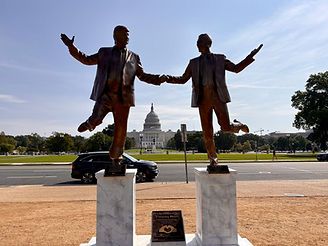
Epstein's political connections did not end with Trump and Mayor John. He was also known for hanging out with big public figures like Bill Clinton and Woody Allen (Sommerlad). Woody Allen states that Epstein "couldn't have been nicer” after being seen having dinner with him (Danhauer). This shows the vastness of his friendships and connections after his release. This can give the impression that he did not lose much after his arrest. This supports the idea that his fame and influence did not fall off once he was arrested but instead showed how many people defended him. It also supports the conspiracy of people believing he was a good man, and that mistakes were simply made in the case. This was due to many people still not understanding how big a case it was.
Simple Facts

The media dove deeply into Epstein’s finances and events. They are trying to figure out how and when his crimes were committed and whether any wrongful financial payments occurred. In an investigation led by Senator Ron Wyden, he says to “follow the money.” This evidence suggests that Epstein's finances will uncover many of the secrets and illegal activities he has partaken throughout the years. While many bloggers try to remain truthful, many spread false information. Whether purposely or accidentally, this confused others and fueled more conspiracies surrounding the case. This makes it harder for anyone to know the truth, and leaves them unsure of how they feel about the case. Many are divided between him having a lawful case and him manipulating the justice system. Although Epstein was seen to do good, there was also evidence of him partaking in illegal activities.
The media dove deeply into Epstein’s finances and events. They are trying to figure out how and when his crimes were committed and whether any wrongful financial payments occurred. In an investigation led by Senator Ron Wyden, he says to “follow the money.” This evidence suggests that Epstein's finances will uncover many of the secrets and illegal activities he has partaken throughout the years. While many bloggers try to remain truthful, many spread false information. Whether purposely or accidentally, this confused others and fueled more conspiracies surrounding the case. This makes it harder for anyone to know the truth, and leaves them unsure of how they feel about the case. Many are divided between him having a lawful case and him manipulating the justice system. Although Epstein was seen to do good, there was also evidence of him partaking in illegal activities.


A divided narrative:

There are supportive facts for each side of the debate surrounding Epstein. Some point to his charitable donations, public image, and the belief that he served time for his crimes as evidence that he faced consequences. However, his connections to powerful political and business people, the unusual leniency of his sentence, and his continuing contact with young women after his release suggest that his privilege and wealth played a role in how he was treated. Combined with media coverage and reports from bloggers, these factors created confusion and divided public opinion. Looking at both his actions and the environment of wealth, power, and fame surrounding him, it becomes clear why Epstein’s case continues to spark a large number of conspiracies.

conclusion
As we come to the end of examining a piece of the Epstein case, the question behind these conspiracies remains. Was Jeffery Epstein's image of a good businessman purposely used to trick the public into believing his sentence was appropriate, or did he use his ties to the justice system to get out of his crimes? One argument suggests that the choices made throughout his case were not necessarily illegal but were the result of poor judgment inside the justice system. Some people argue that mistakes happen often, and in this situation, Epstein served the time he was assigned. On the other hand, many argue that Epstein’s light sentence was not the result of simple poor judgment or mistakes, but a consequence of his wealth, influence, and powerful connections. Others see his case as him basically getting a slap on the wrist, even after being taken to jail (O’Brien and Hill). One thing that is apparent from the Epstein case is that he was given a level of leniency and consideration that most people facing similar charges would never receive. If almost anyone else with fewer connections or less money had committed the same crimes, the outcome would almost certainly have been much harsher.